calendar_month 27 Oct 2025 / stylus นางสาวฮานะ ชิลไปไหน / visibility 3,919 / overseas
Let’s start with Kyoto, the former capital of Japan, which served as the imperial residence for over a thousand years. The city is full of historic districts to explore, but one of the main highlights is Gion. This area is known for its traditional streets lined with old houses and numerous teahouses.
If you’re interested in experiencing the culture and possibly seeing real geisha or maiko, this is the place to visit. However, it’s important to be respectful and not disturb them, as they are working and not dressed up for tourist photos.
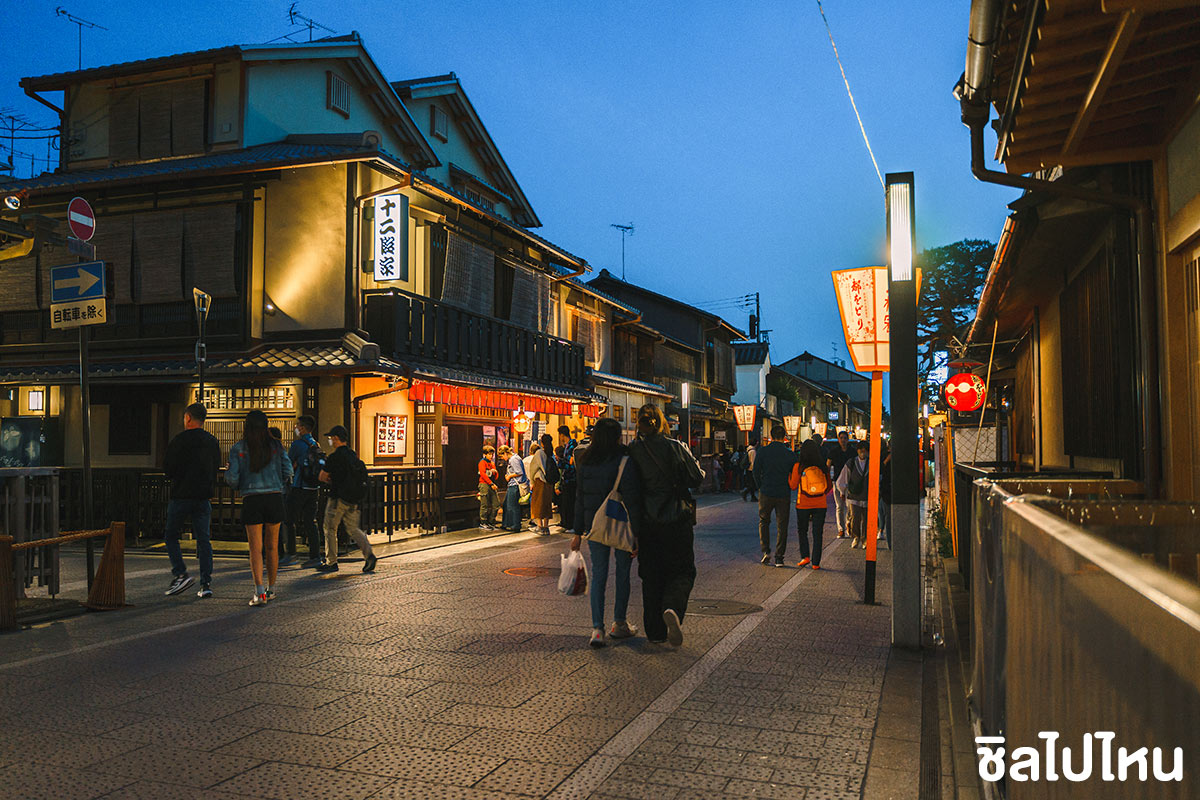
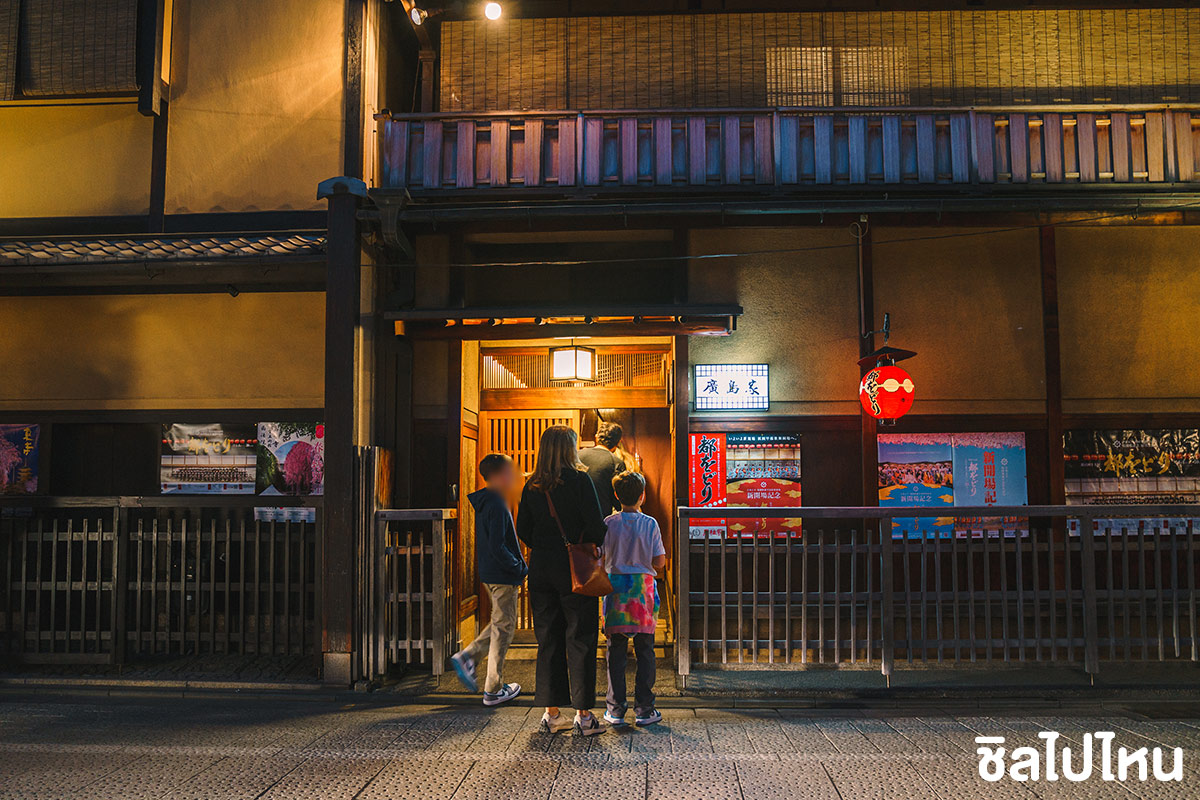
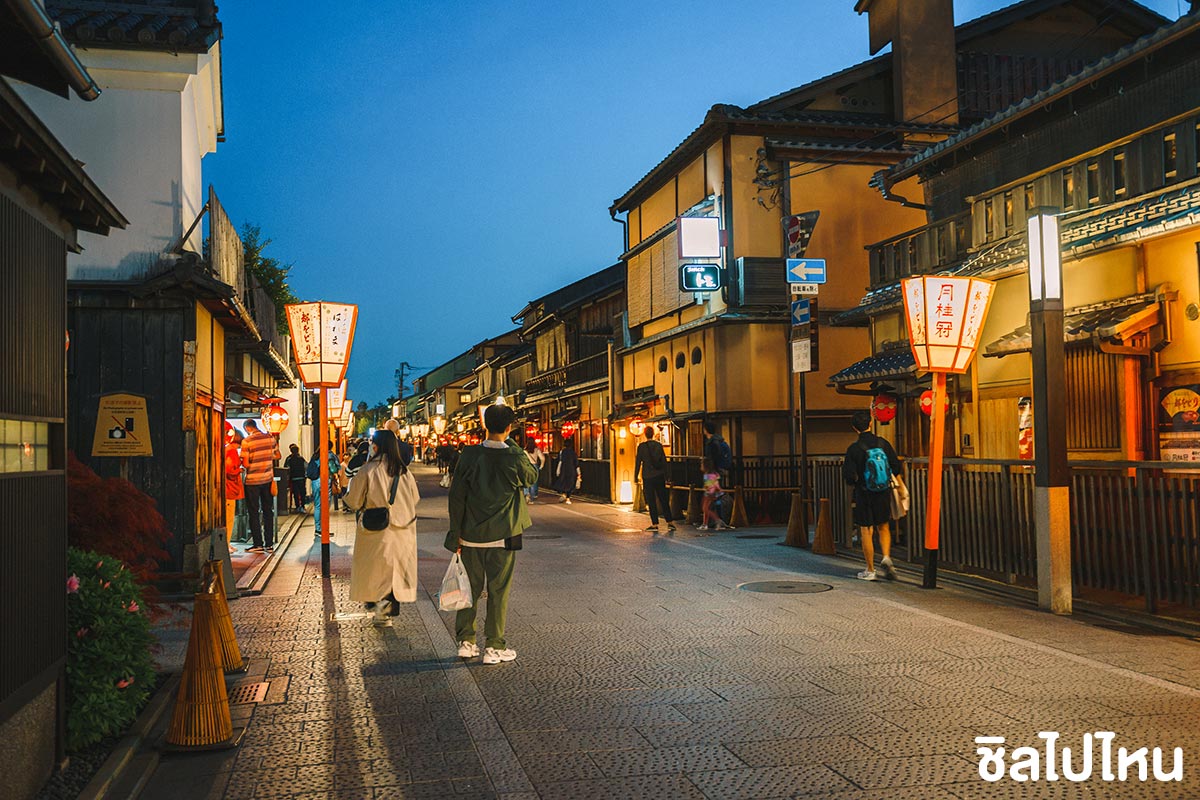
Getting there: Take the Keihan Main Line and get off at Gion-Shijo Station, or take bus number 86 or 206 from Kyoto Station to Gion.
GPS : https://goo.gl/maps/T6i7qmSbJkA8kjD16
Kyoto train pass

From Kyoto, continue on to another charming town known as “Little Kyoto” — Takayama. Located in the Hida mountain region of Gifu Prefecture, this historic town has a long and rich history.
One of its highlights is the old town district called Sanmachi Suji, where narrow streets (less than 5 meters wide) are lined with traditional wooden Japanese houses. This area is often referred to as “Little Kyoto” because the buildings feel like they’re straight out of the Edo period.
Along both sides of the street, you’ll find various shops, including souvenir stores, restaurants, and cafés. And when visiting Takayama, don’t miss trying Hida beef skewers sold along the street—known for being incredibly tender and delicious.
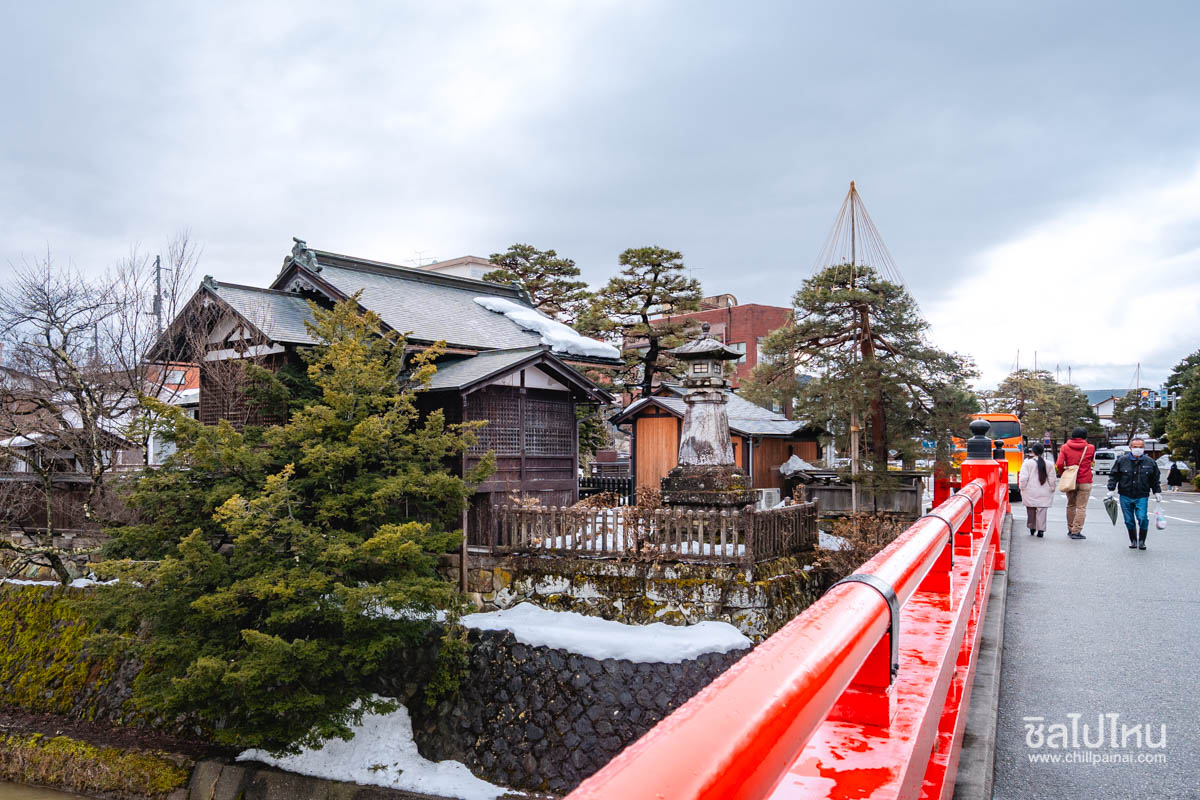
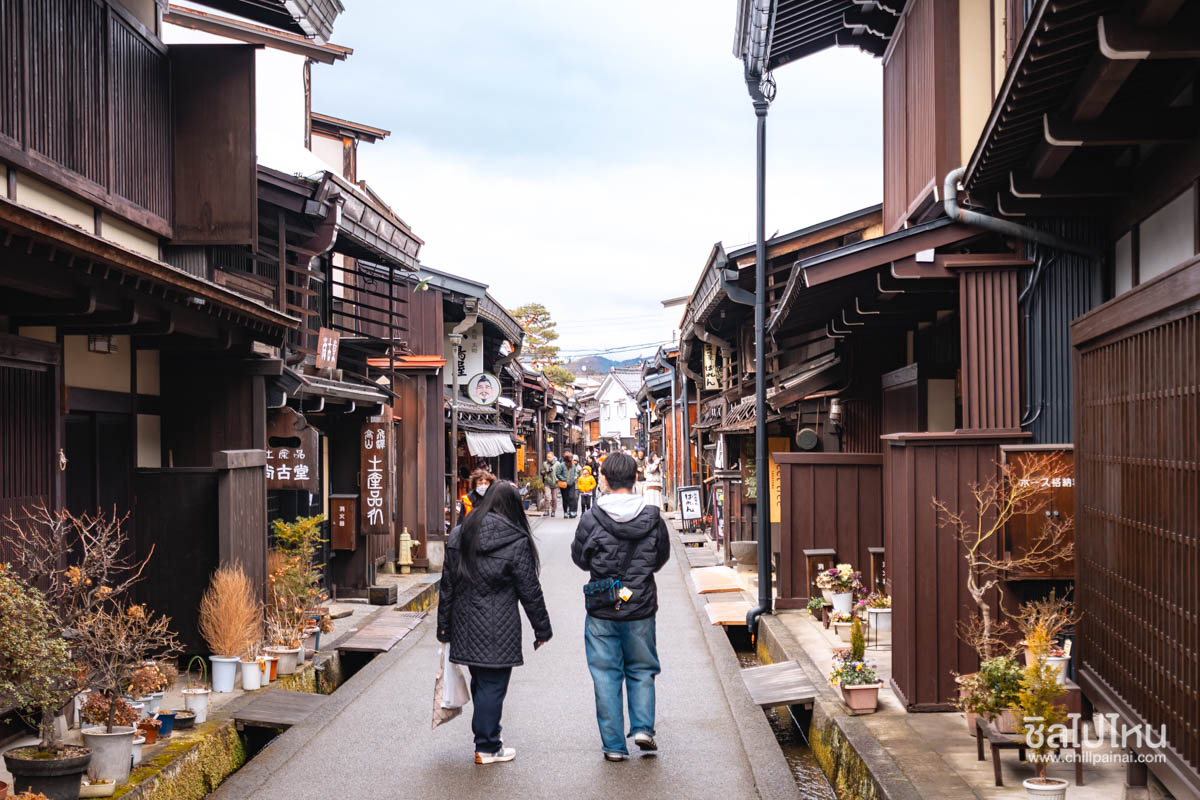
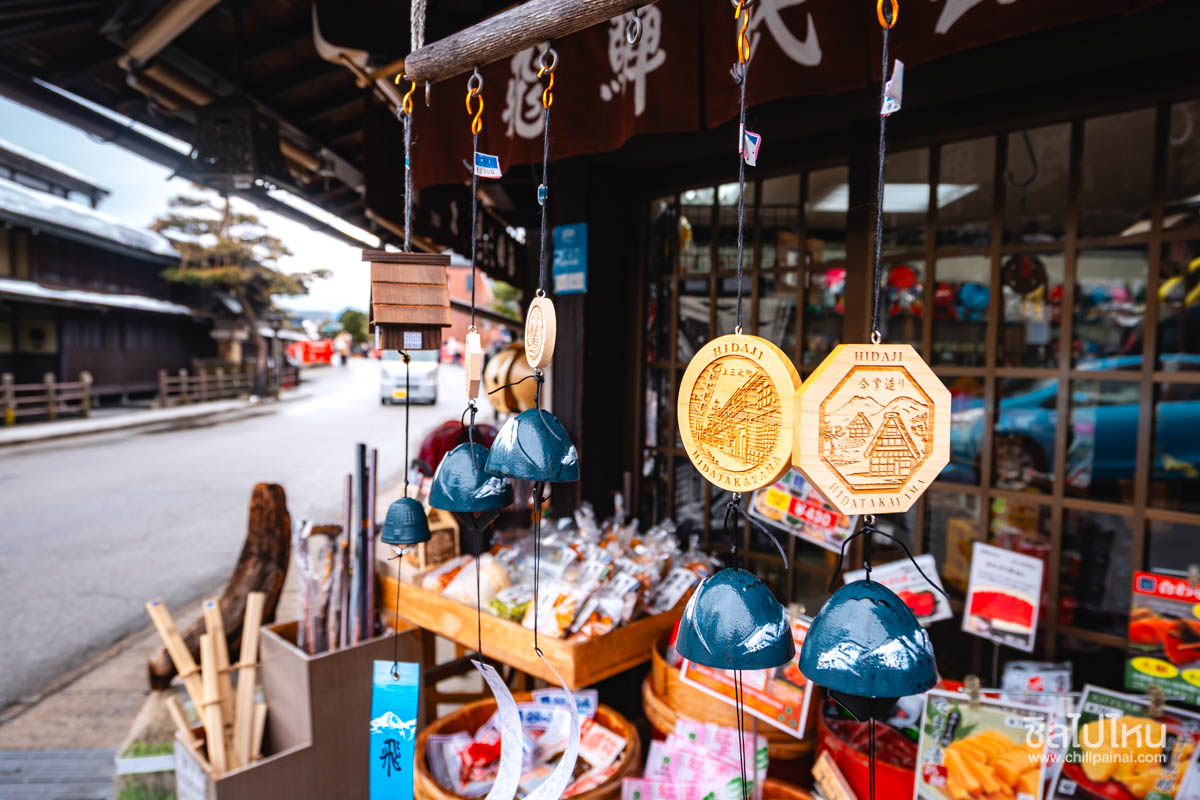 Getting there: From JR Takayama Station, you can take a bus.
GPS : https://maps.app.goo.gl/vkybNf1PoGFCYC8E8
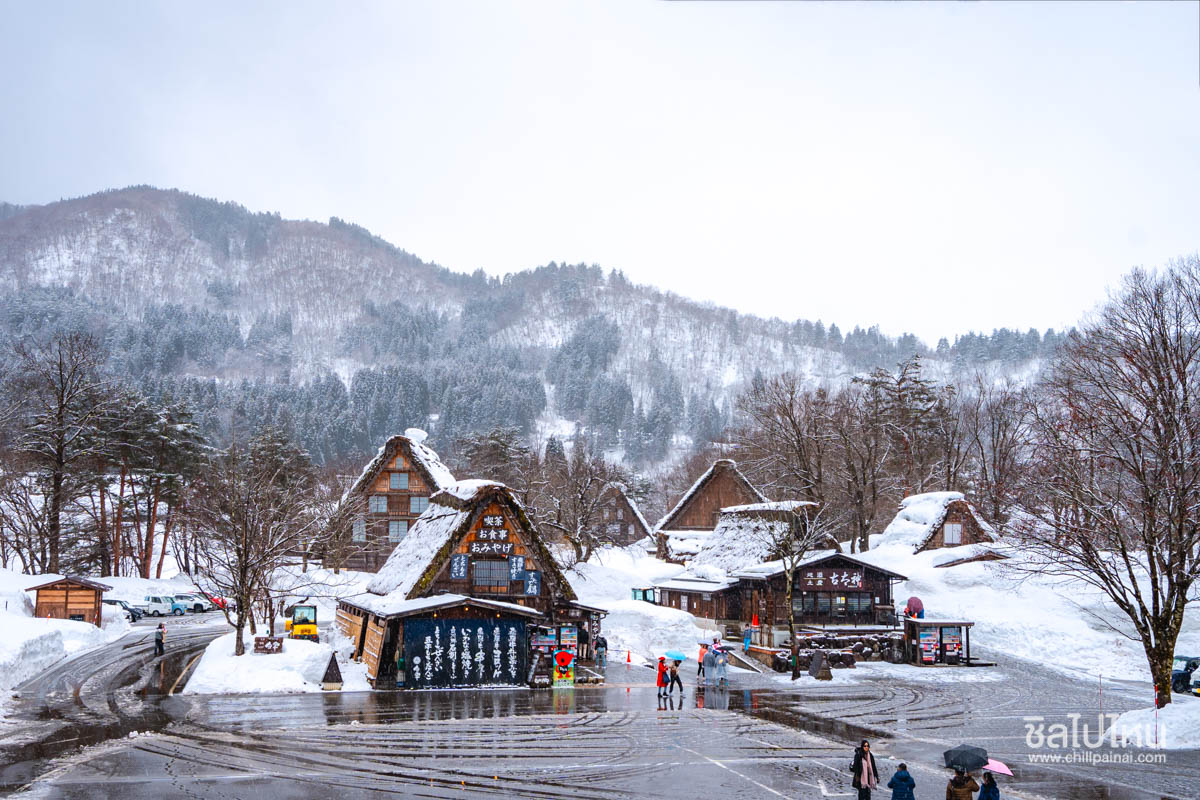
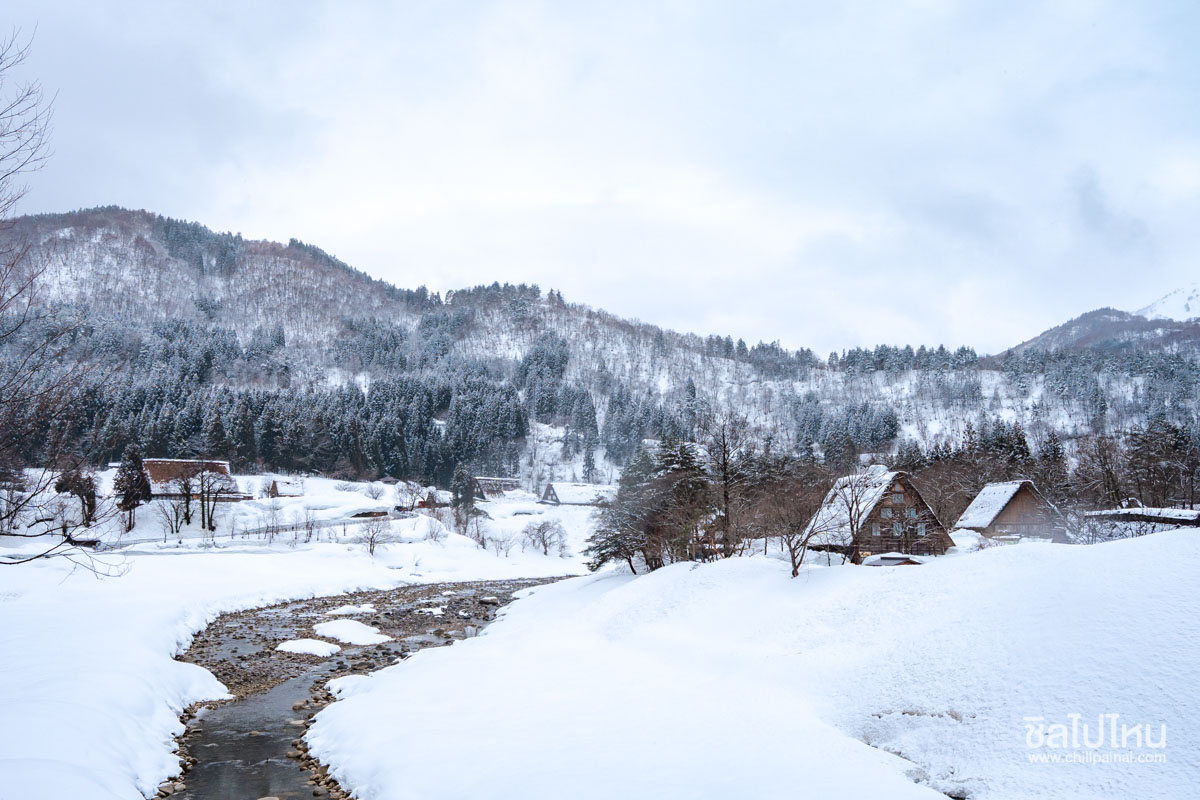
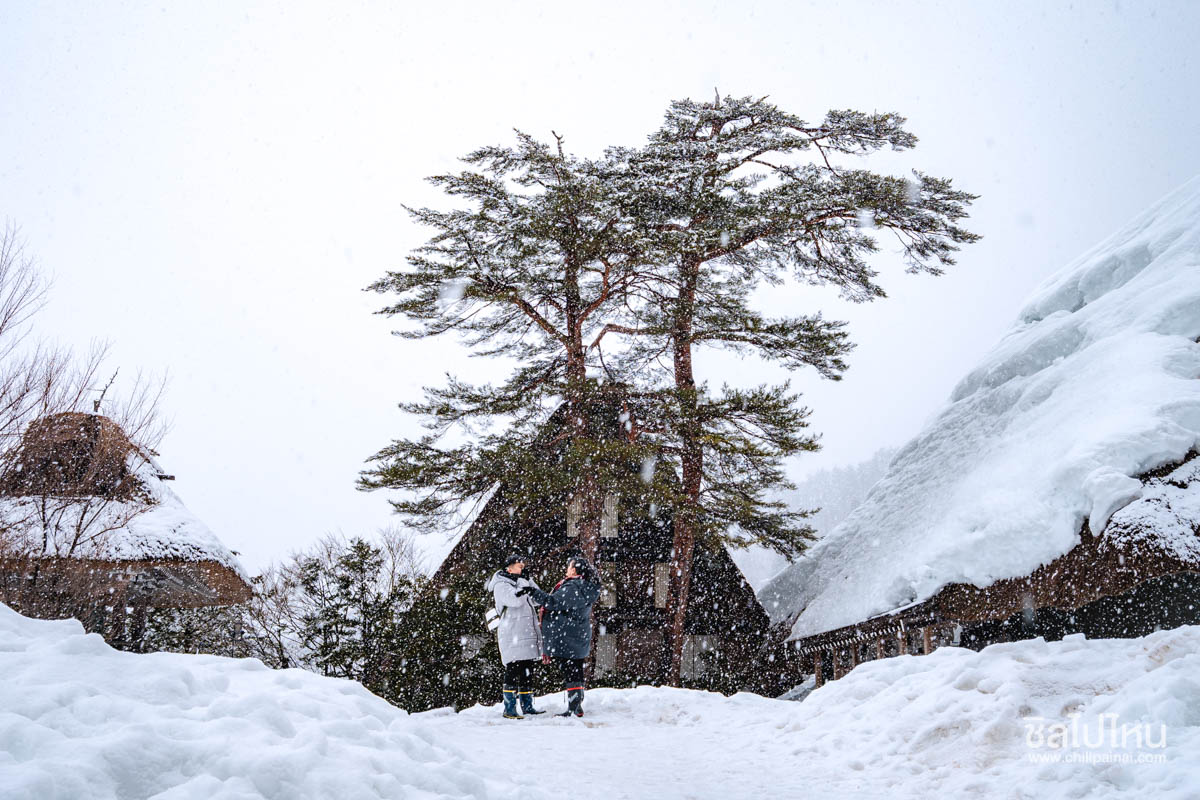 Getting there: You can take a bus from Takayama, which takes about 40 minutes.
GPS : https://maps.app.goo.gl/23TzKrFWZhEQxfw49
Book a bus ticket to Shirakawago
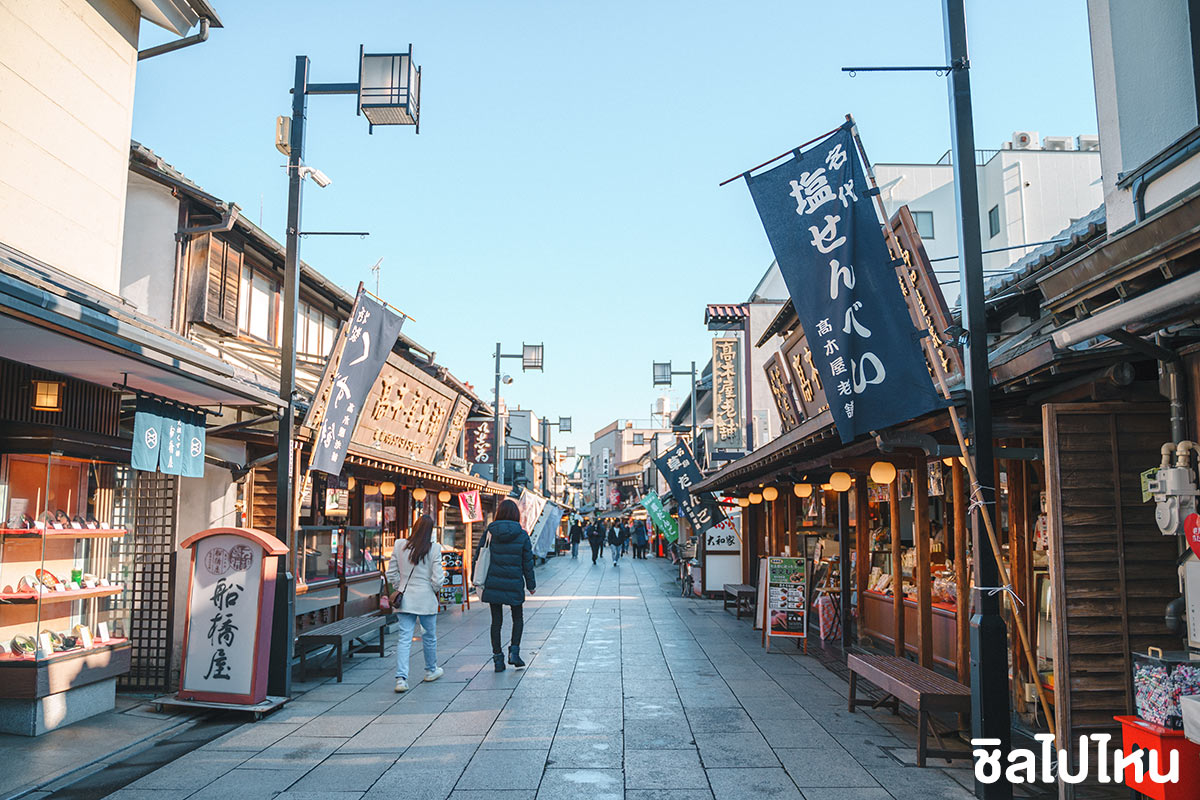
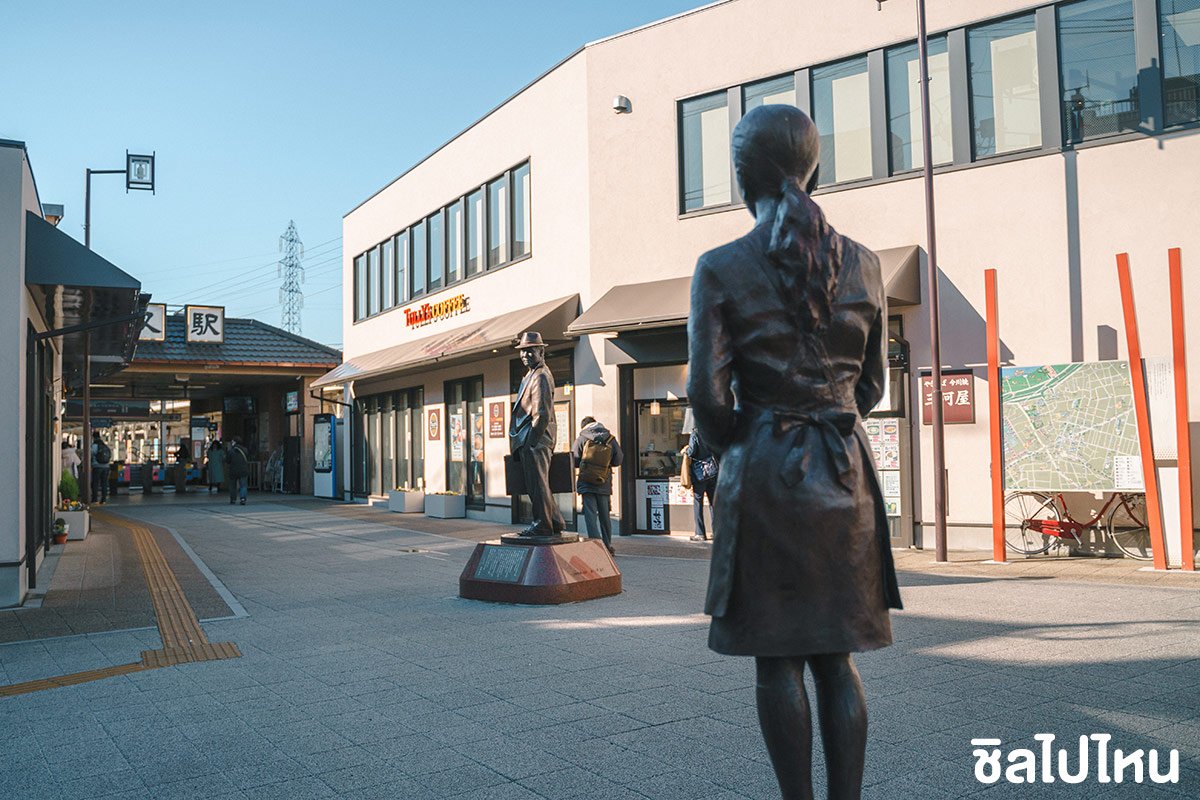
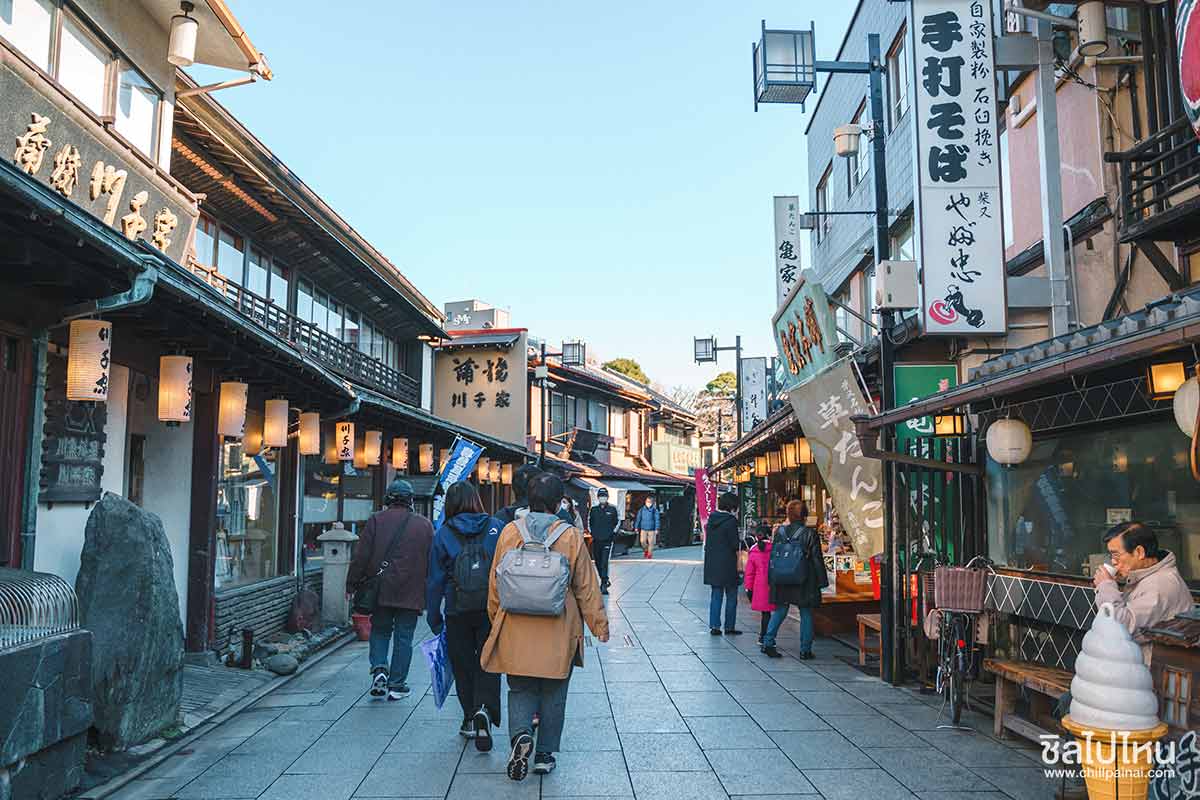 Getting there: Take the train to Shibamata Station.
GPS : https://maps.app.goo.gl/2EXob6yAbHrNDiA37
Tokyo train pass
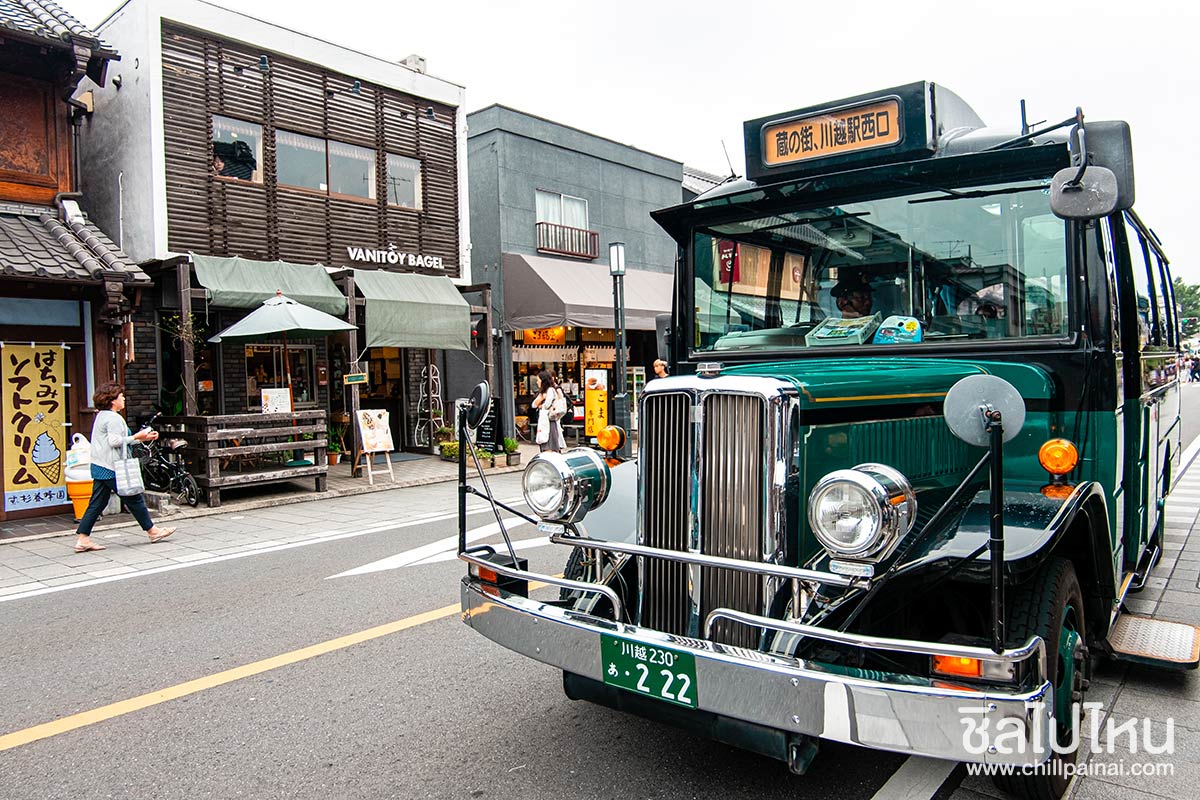
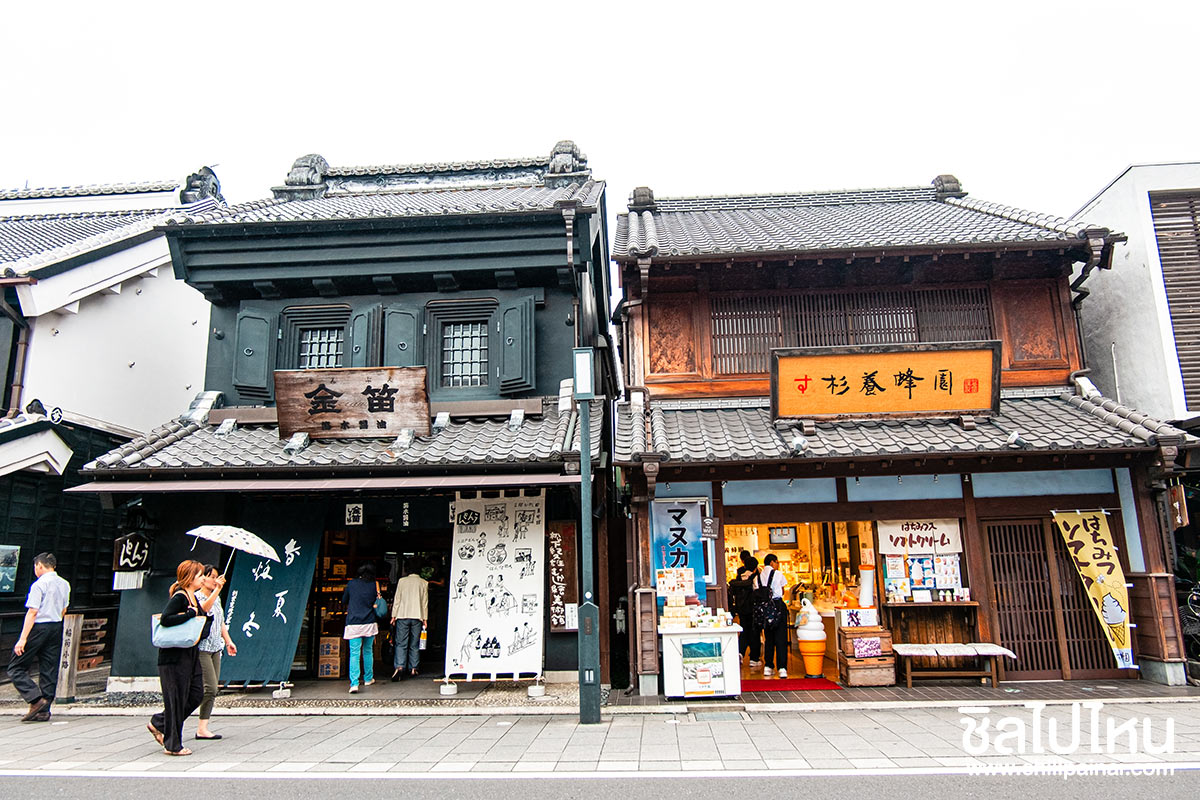
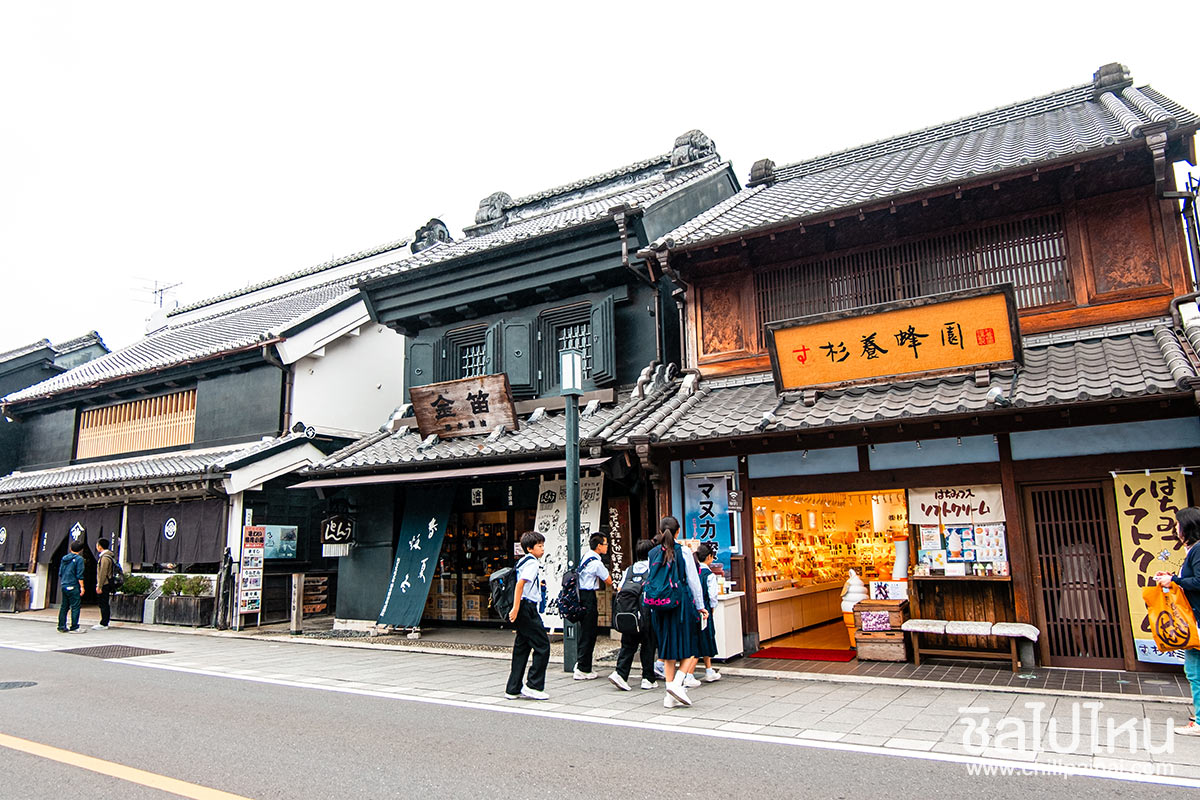 Getting there: Take a train from Ikebukuro Station in Tokyo to Kawagoe Station. The journey takes 27 minutes.
GPS : https://maps.app.goo.gl/WvhQ5GTLUdyx68gX7
Kawagoe Train Pass
Narai-Juku is a historic village dating back to the Edo period (around 1603–1868), located in Nagano Prefecture. You can reach it from Matsumoto by taking the JR Shinonoi Line, which takes about 48 minutes and costs 590 yen.
If you’re visiting Kamikochi and staying in Matsumoto, this is a great nearby destination to explore. Historically, Narai-Juku was a prosperous post town along the Nakasendo route, which connected Edo (Tokyo) and Kyoto.
Stretching for about 1 kilometer, the village is lined on both sides with traditional wooden houses, many of which have been turned into shops and restaurants—perfect for strolling, shopping, and taking photos along the way. At the end of the village, you’ll also find Shizume Shrine, where you can stop by and pay your respects.
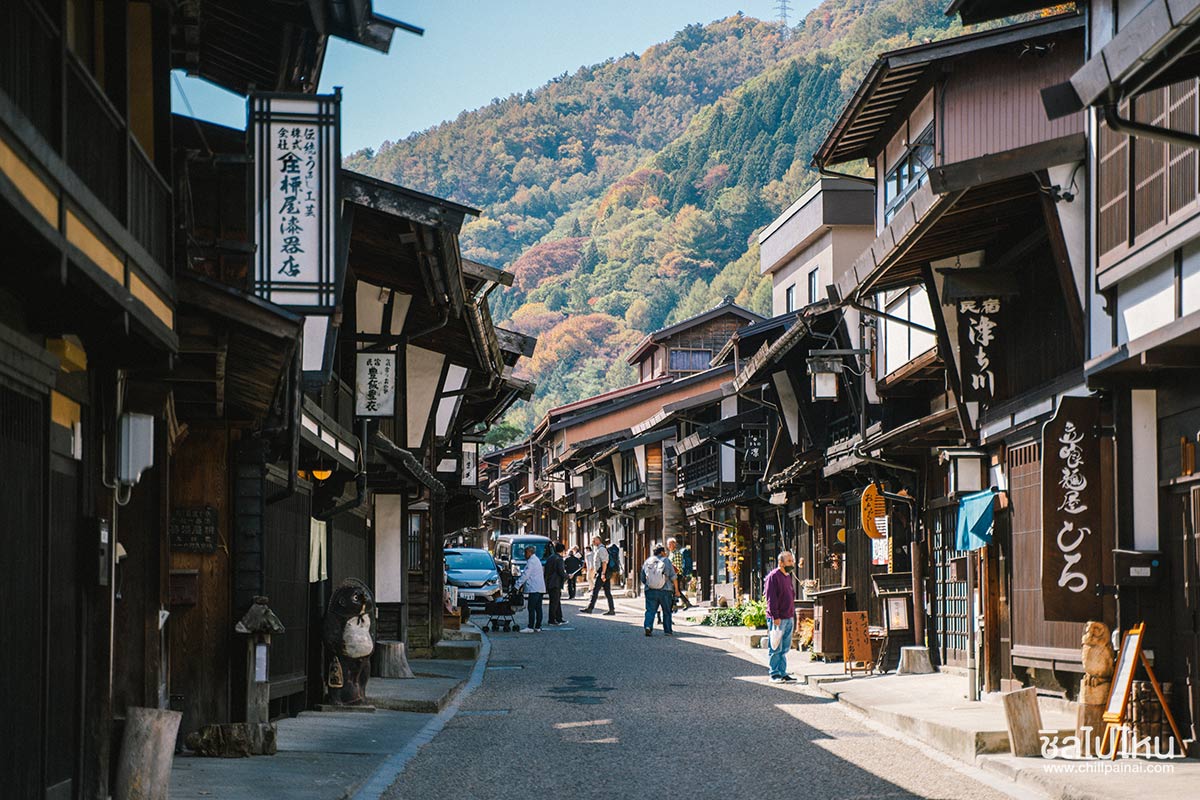
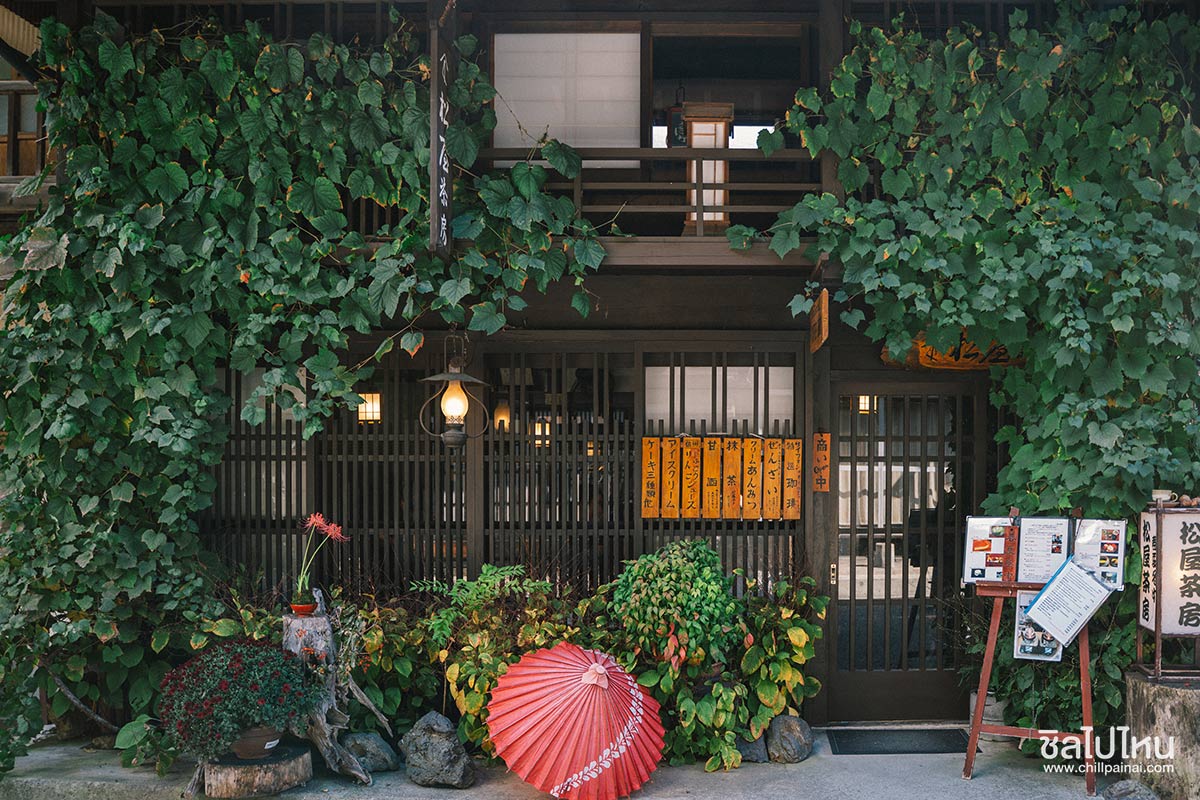
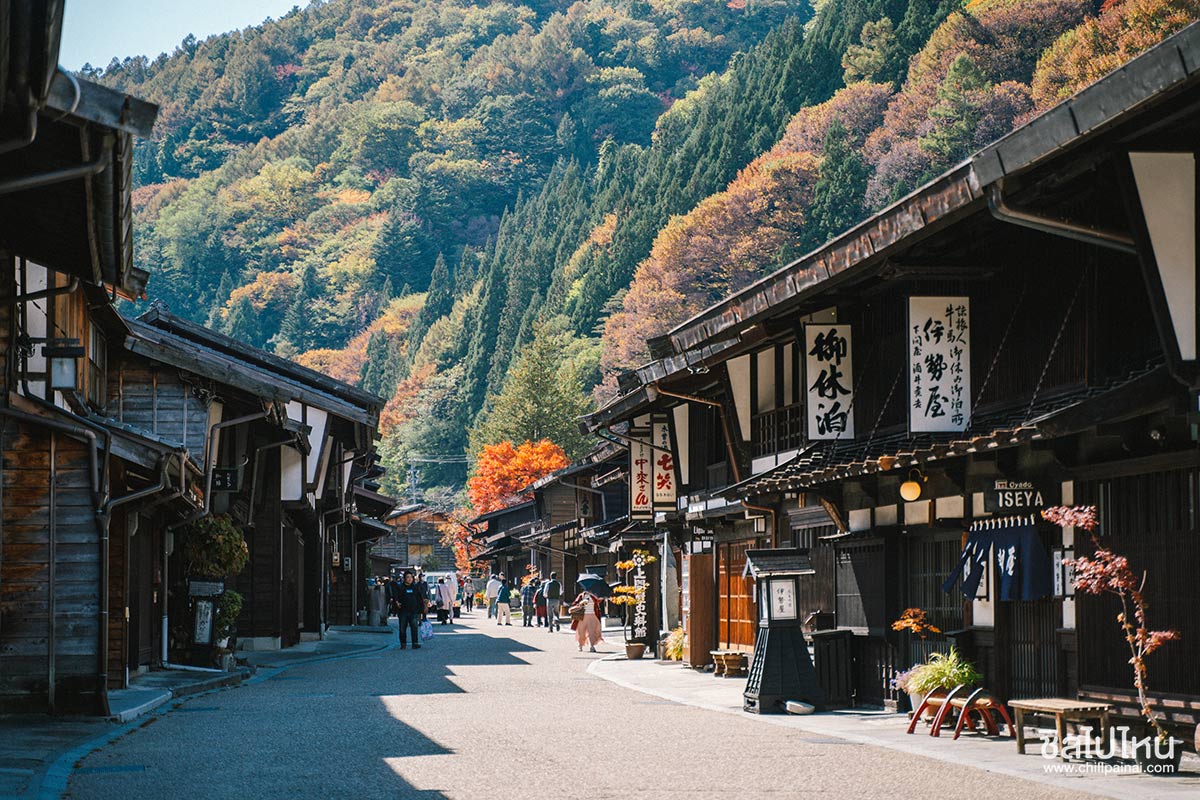 Getting there: From Matsumoto City, take the JR Shinonoi Line train to Narai Station. The journey takes only 48 minutes and costs 590 yen.
GPS : https://maps.app.goo.gl/7MQmaaHQ2C5Vf4CF9
Day trip to Narai-Juku
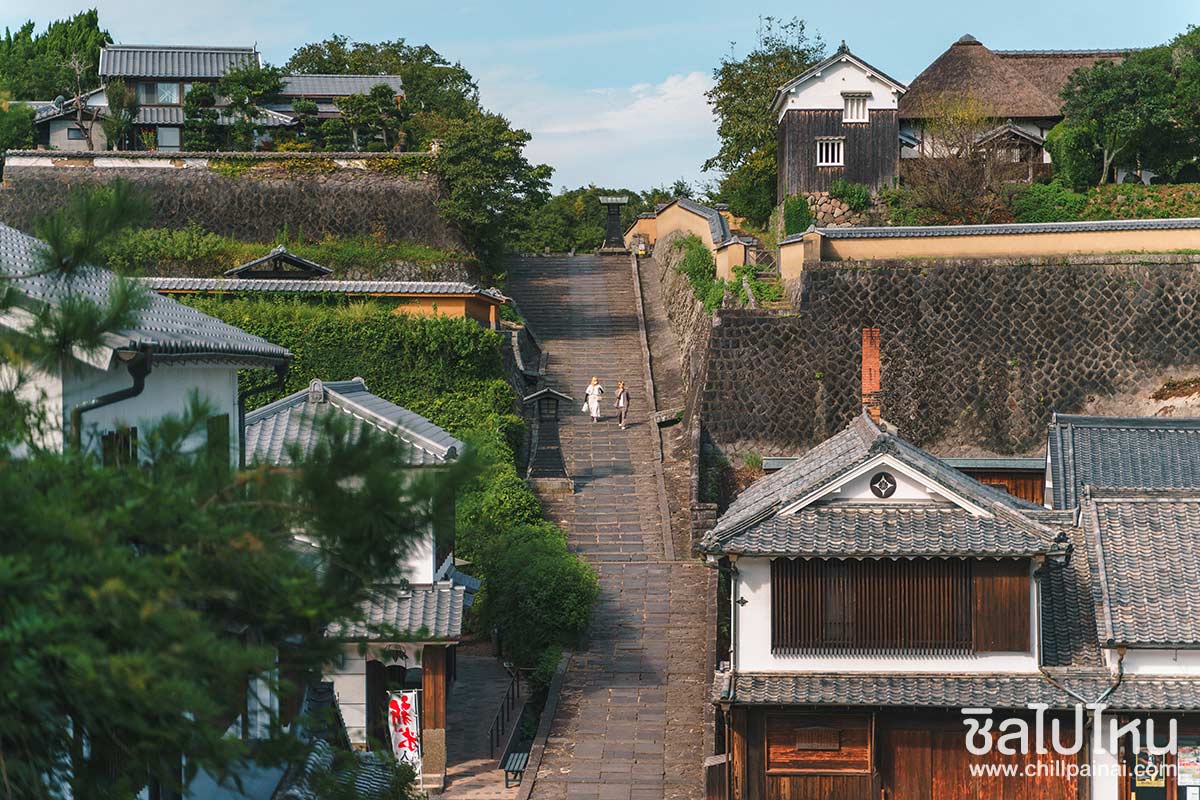
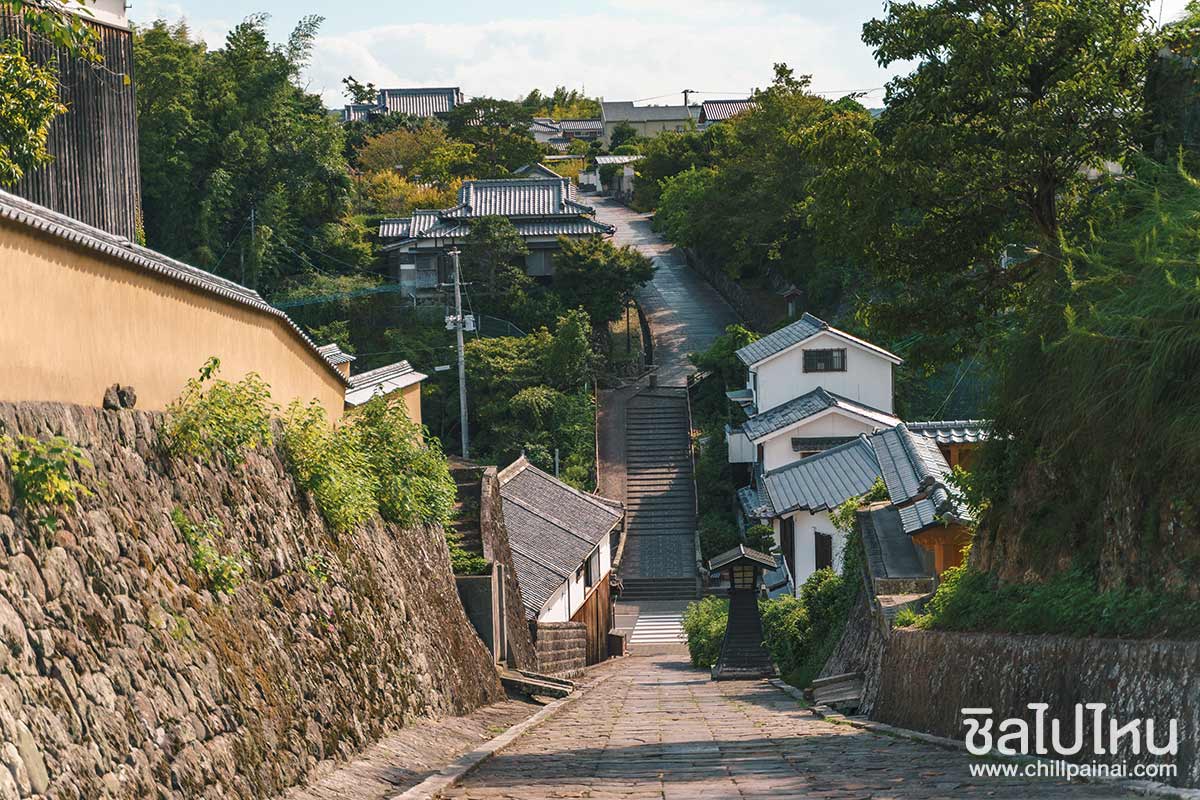
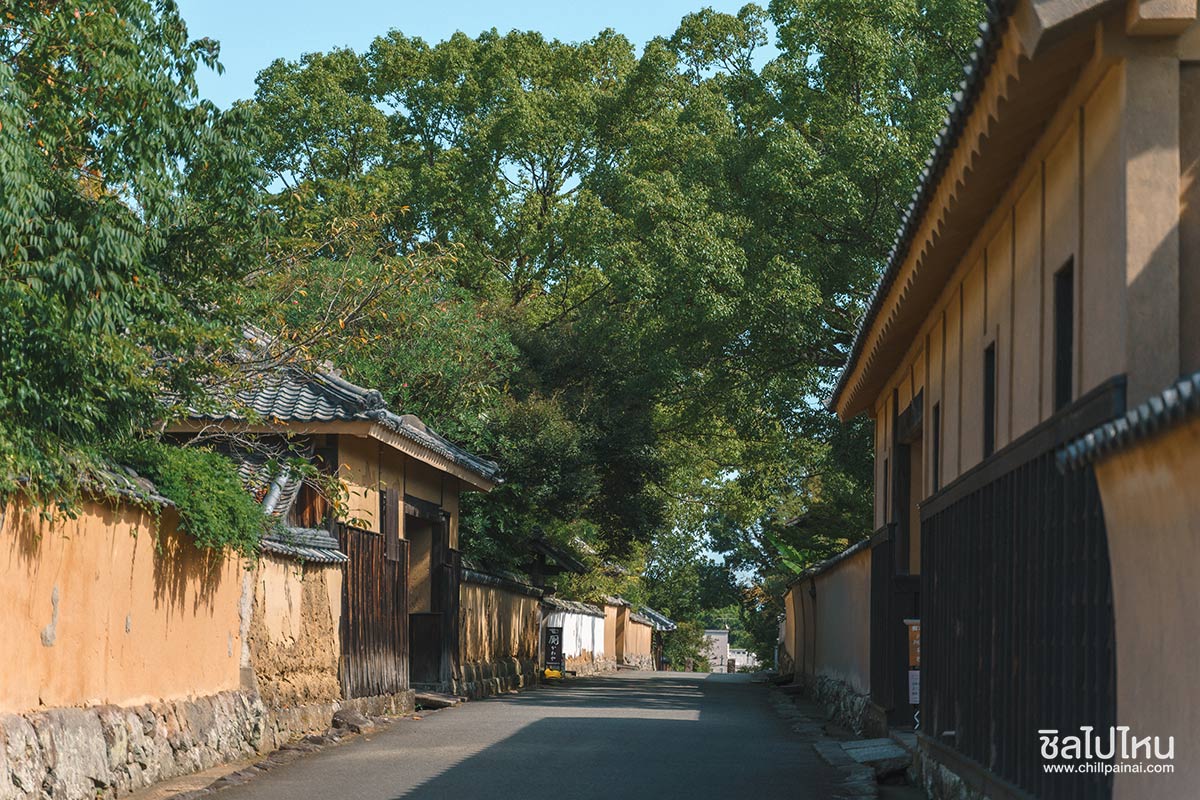
Getting There:
- By train from Hakata Station in Fukuoka to Kitsuki Station takes approximately 1 hour and 52 minutes. From there, take a taxi to the castle town area for about 8 minutes.
- By private car from Fukuoka, you can rent a car and drive to the castle in about 2 hours.
GPS : https://maps.app.goo.gl/63xswjxoFzpLjqGz7
Kyushu train pass
8.Ginzan Onsen
“Ginzan Onsen” is a small village with a history spanning over 500 years. It was once a prosperous silver mining town during the Edo period. After the mine was closed, the village transformed into a tourist destination that preserves its traditional Japanese atmosphere.
Today, both local and international visitors come here to relax and enjoy the hot springs at public bathhouses. The area also offers accommodations, restaurants, coffee shops, and souvenir stores for visitors to explore.
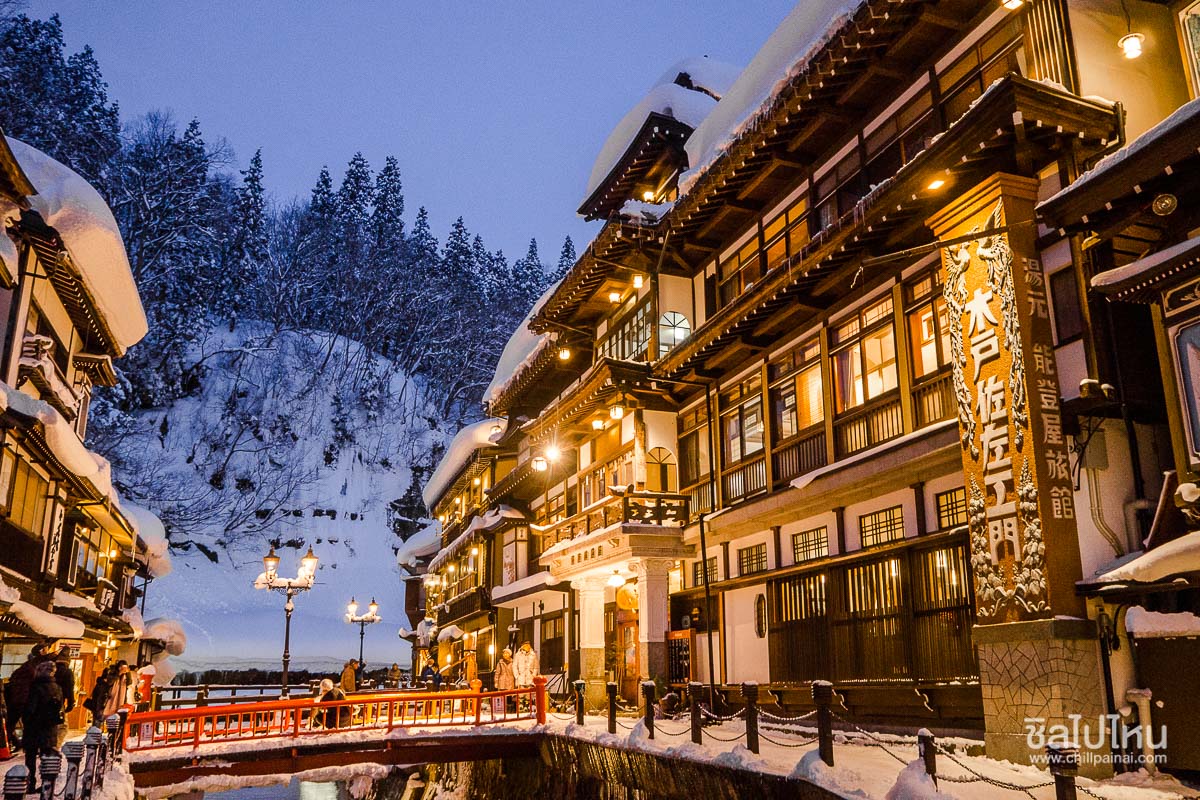
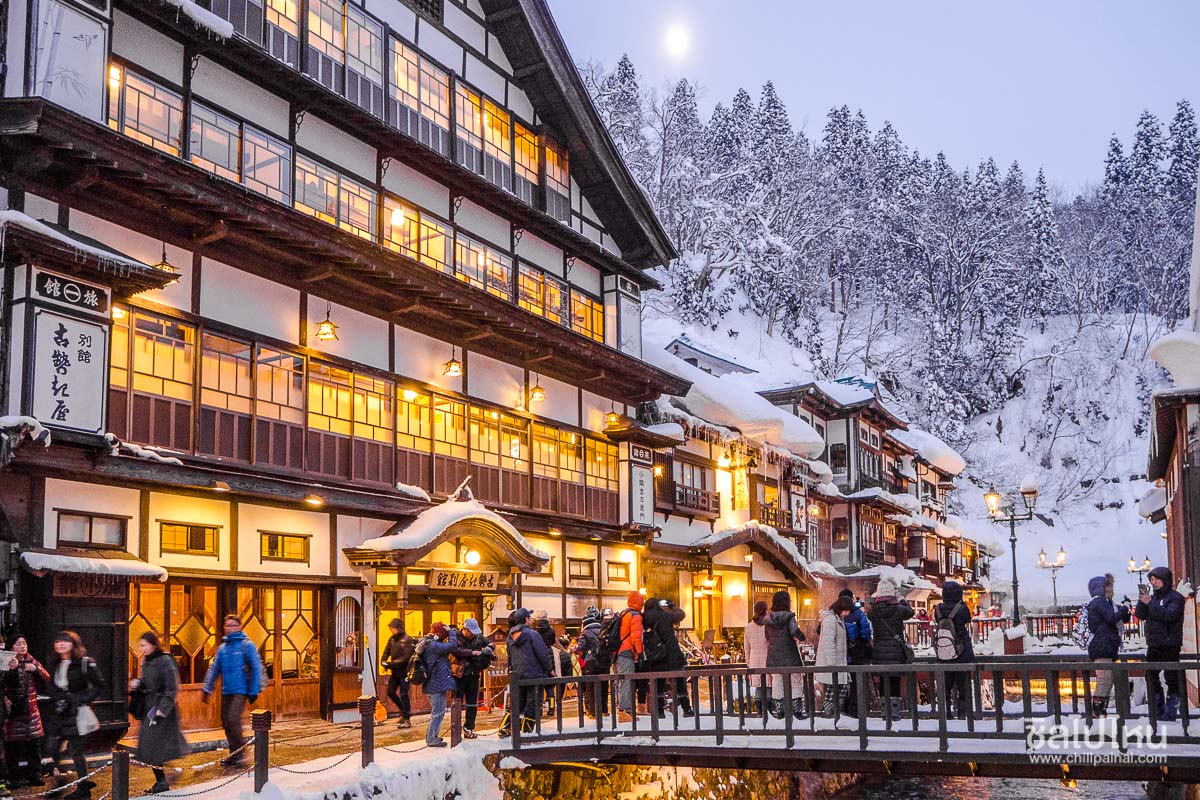
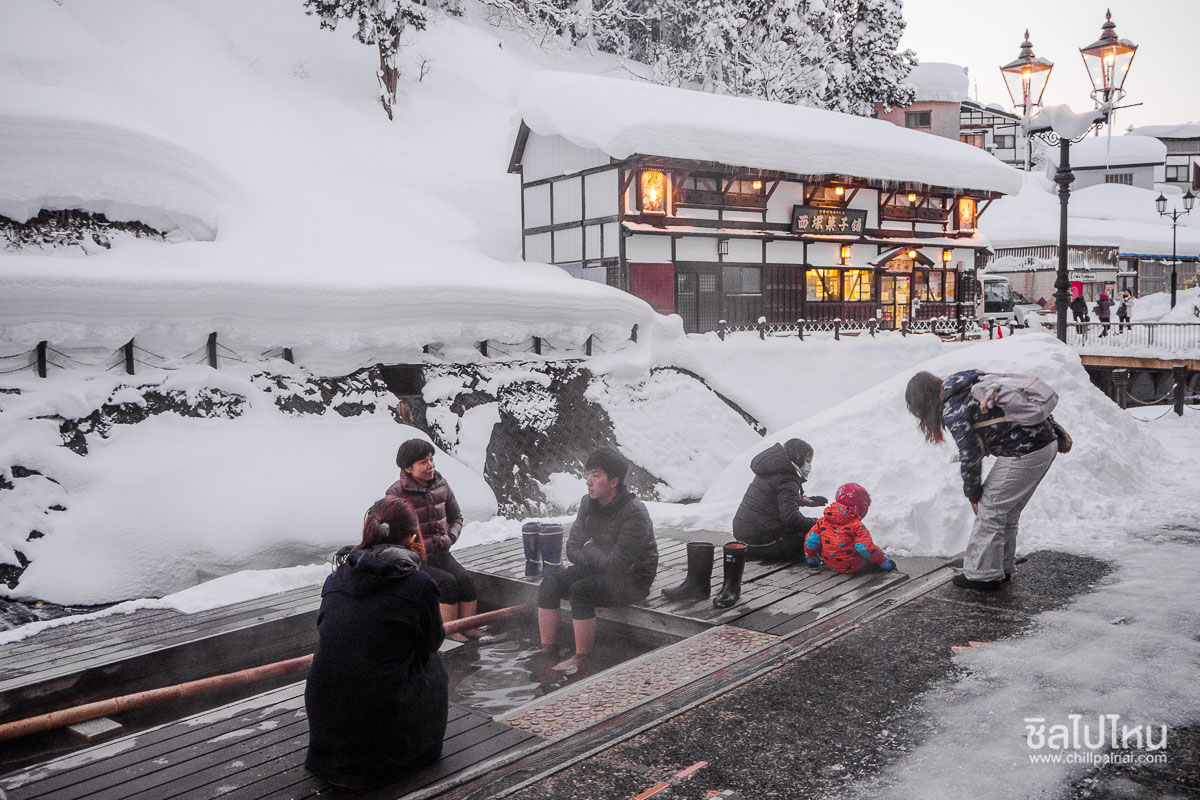 Getting there: Take a train from Tokyo to Oishida Station (approximately 3 hours and 15 minutes), then take a bus for another 35 minutes.
GPS : https://maps.app.goo.gl/JB7RyZ1yawxQszoXA
Day trip to Ginzan Onsen
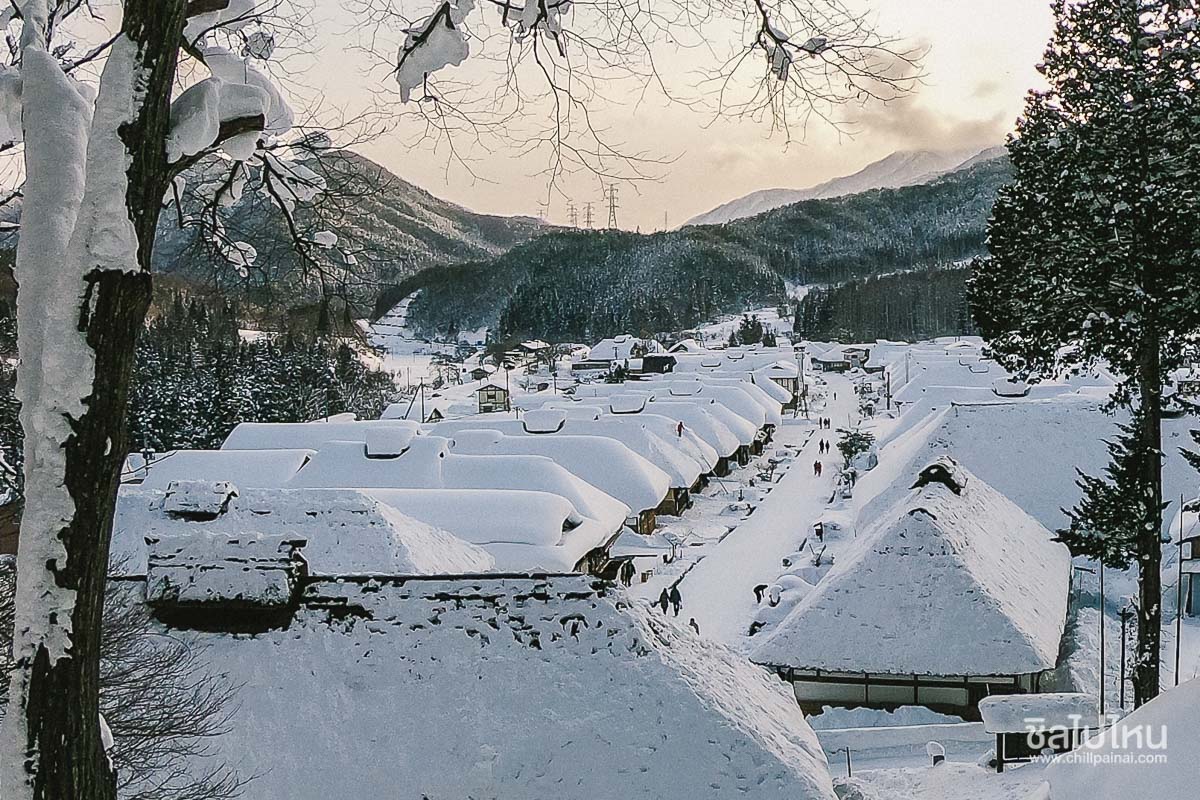
The image of traditional Japanese houses covered in white snow, like something out of a fairytale, is the charm that draws many visitors to “Ouchi-juku.” This historic village is over 400 years old, dating back to Japan’s Edo period.
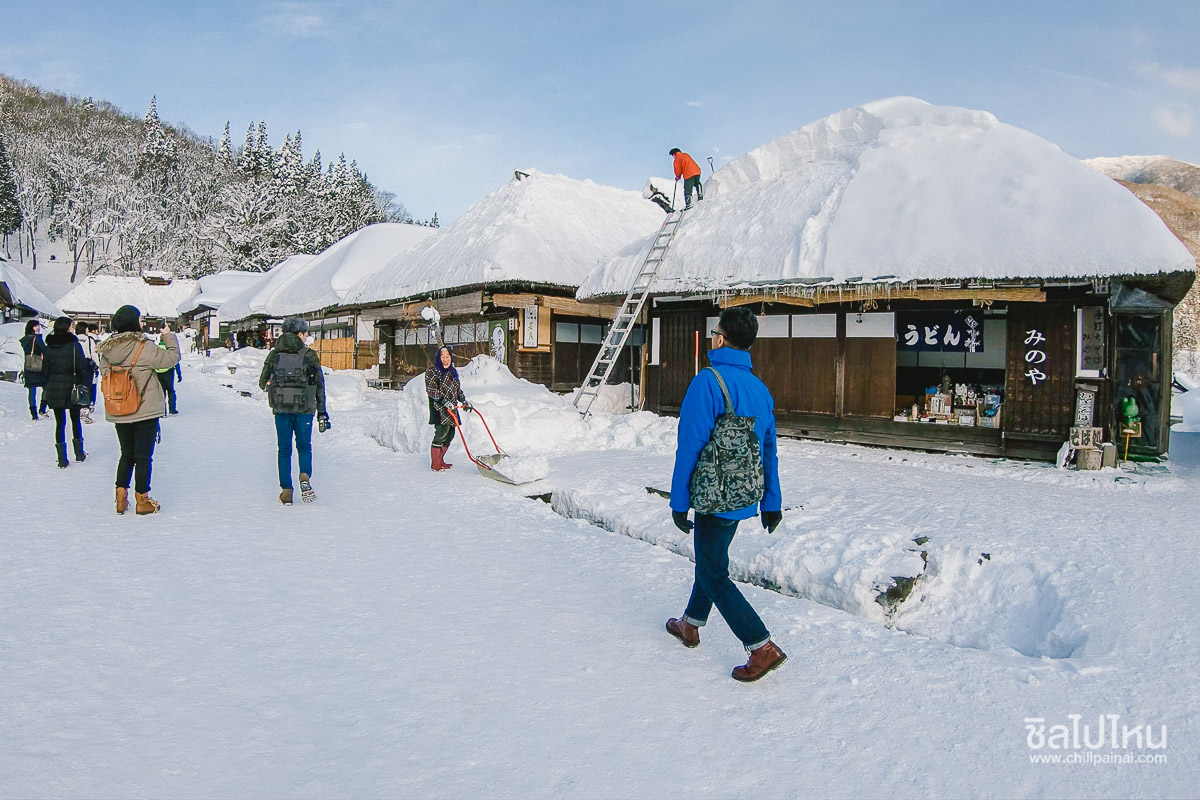
In the past, it was located along a major trade route, making it an important rest stop for travelers, merchants, and officials passing through. The houses are traditional Japanese farmhouses with thatched roofs, which in winter become heavily covered with snow. Sometimes, locals have to clear the snow off the roofs to prevent damage from the weight.
Today, Ouchi-juku has become a well-known tourist destination. Many of the houses have been converted into accommodations, restaurants, and souvenir shops. Despite these changes, the village still preserves its original charm, making visitors feel as if they’ve stepped back in time to the Edo era.
 Getting there: From Yunokamionsen Station, there is a bus service to the village approximately every hour. The journey takes about 20 minutes (service available only from March to November).
GPS : https://maps.app.goo.gl/hbaLFd1B8oNQYqcC7
Ouchi-juku sightseeing tour
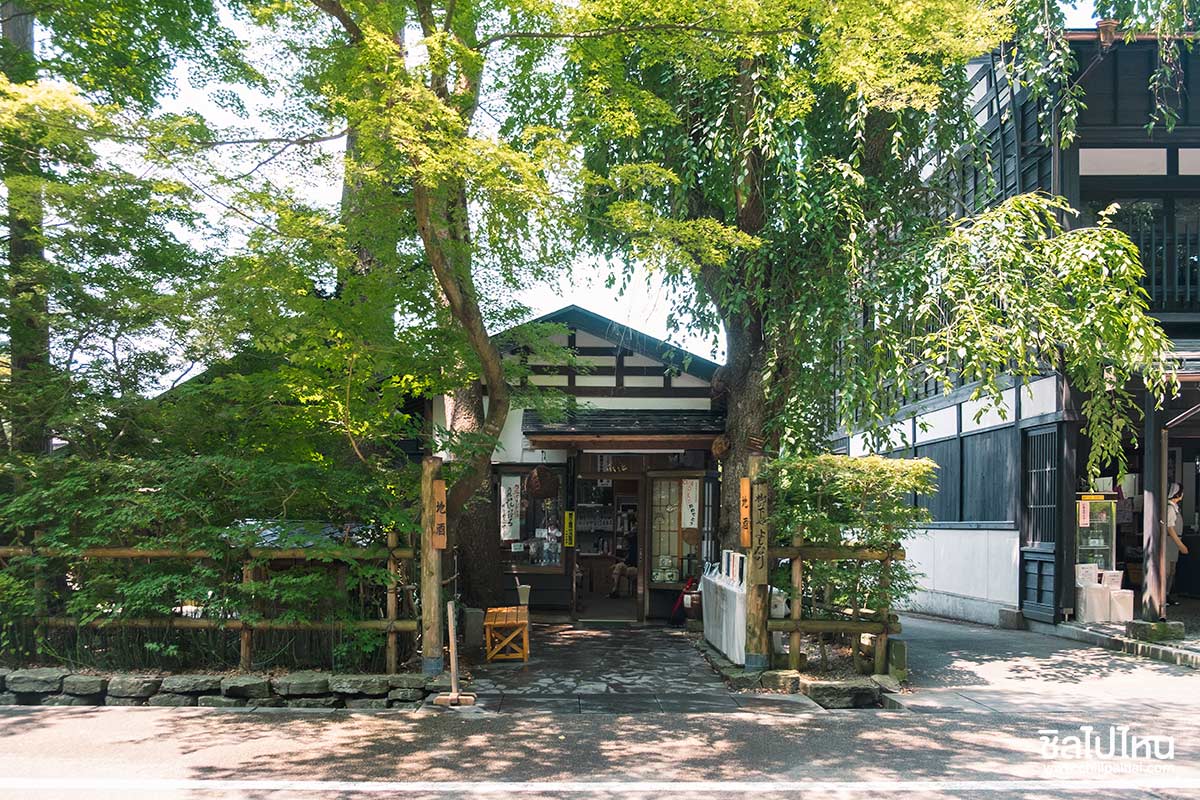
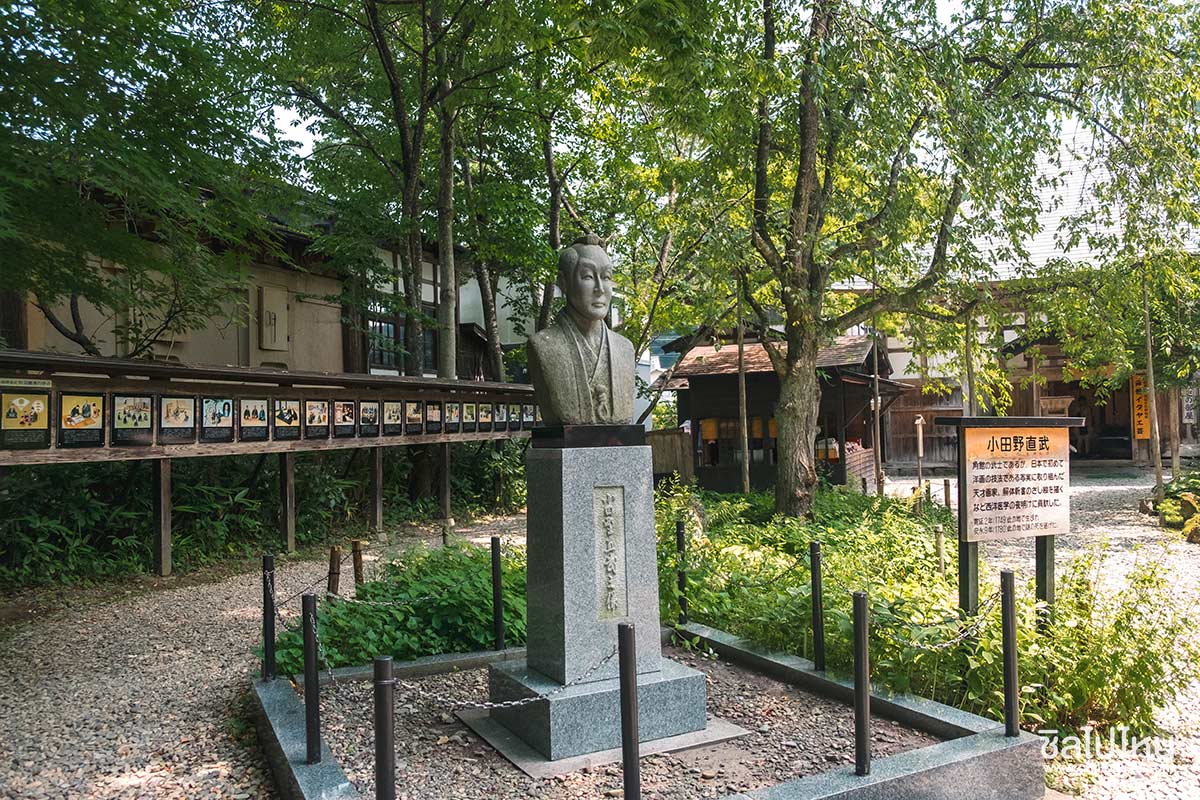
Kakunodate is a small town located in Akita Prefecture, Japan. In the past, it was a castle town centered around Kakunodate Castle and was home to many samurai. The town was divided into samurai and merchant districts.
Although the castle no longer exists today, around six samurai houses remain and are open to visitors. Throughout the town, you’ll also find many traditional buildings, some of which have been turned into souvenir shops and cafés where you can relax and enjoy the atmosphere.
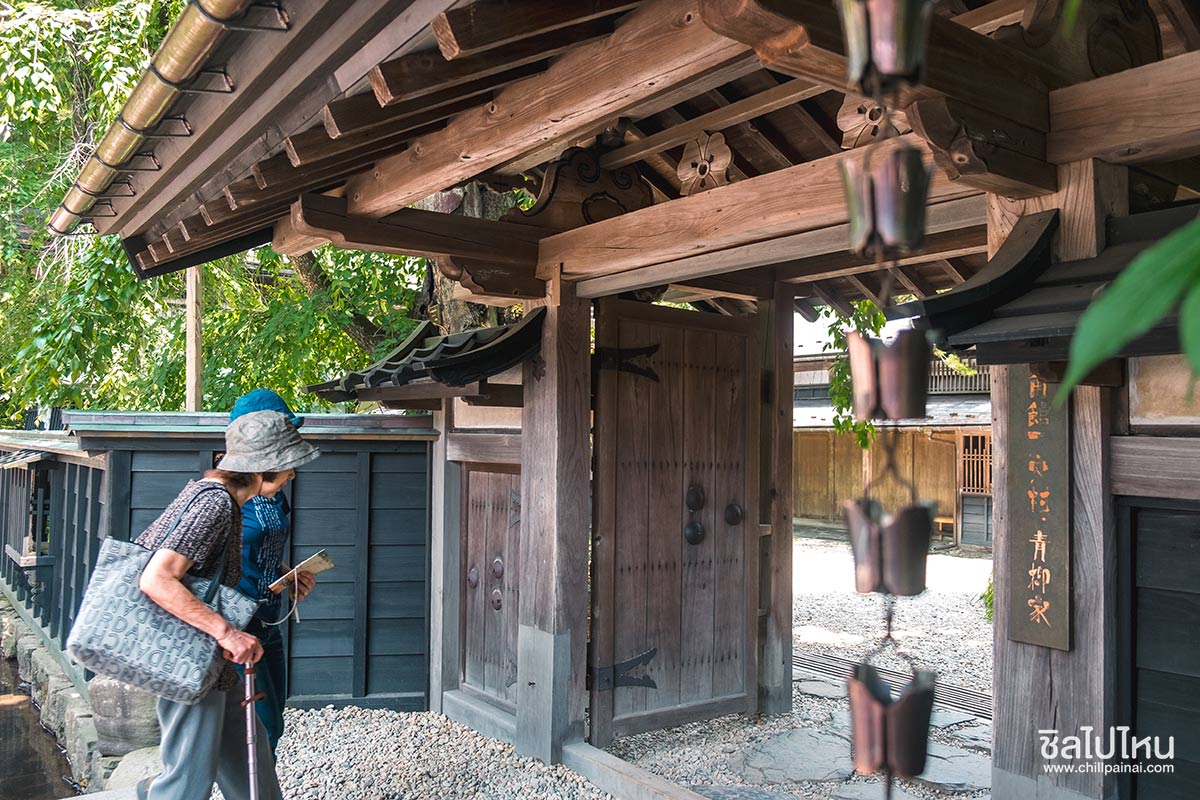 Getting there: From JR Kakunodate Station, it's about a 20-minute walk to the samurai district, or you can take a taxi.
GPS : https://maps.app.goo.gl/Bz8xQxmjwHAJjo869
JR Pass

overseas | 07 Oct 2026 | 90 อ่าน
overseas | 29 Sep 2026 | 348 อ่าน
overseas | 28 Sep 2026 | 396 อ่าน
overseas | 23 Sep 2026 | 446 อ่าน
overseas | 17 Sep 2026 | 723 อ่าน
overseas | 24 Aug 2026 | 831 อ่าน
overseas | 03 Jul 2026 | 835 อ่าน
overseas | 10 Jun 2026 | 1,910 อ่าน
overseas | 28 May 2026 | 1,009 อ่าน
overseas | 28 May 2026 | 918 อ่าน
overseas | 22 May 2026 | 1,449 อ่าน